
PE stamp services
Structural Engineer Letters and Engineering Certifications
A sealed structural engineer letter for your lender, building department, installer or inspector, based on conditions the engineer has actually verified.
- Stamped by a PE licensed in your state
- Drawn to IBC, IRC and local amendments
- Plan-check comments answered
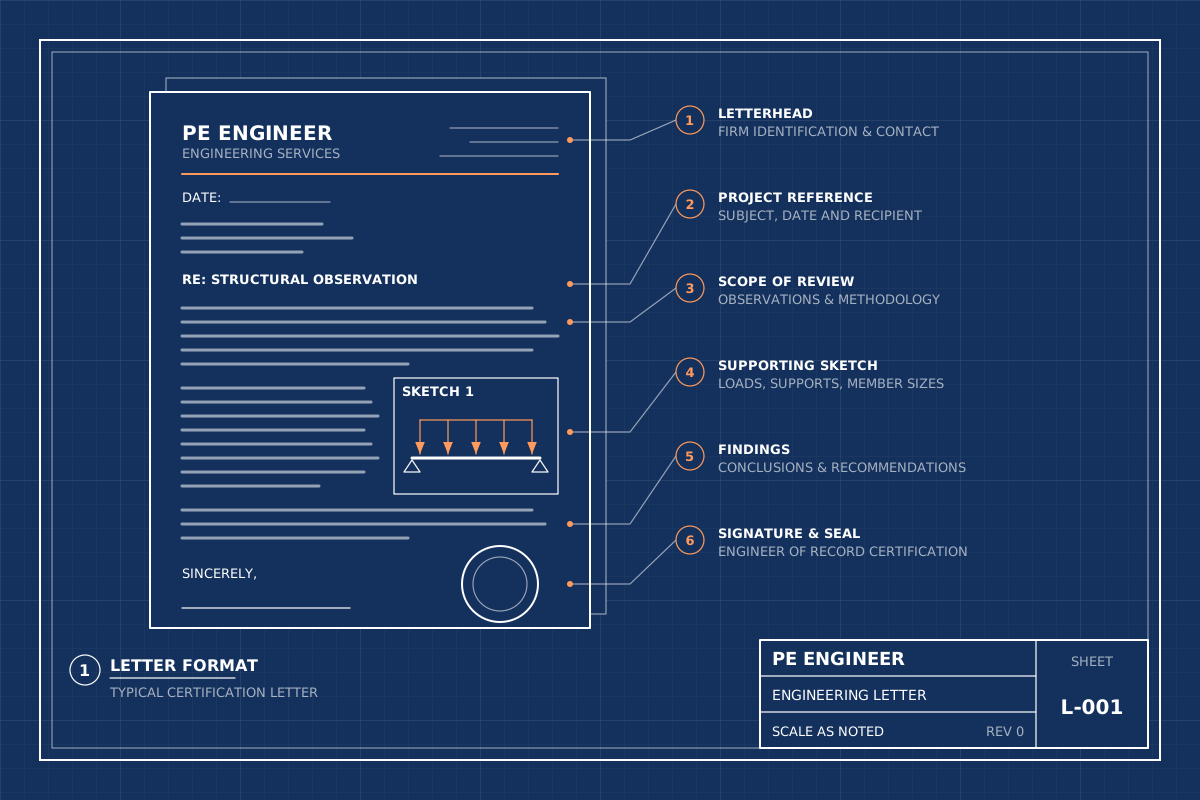
Sealed letters that answer one specific engineering question
Not every engineering requirement calls for a full drawing set. Often a lender, building official, solar installer or inspector needs a structural engineer letter that answers one question: is this foundation permanent, can this roof carry the panels, is this carport rated for our snow load, does this beam work, can this floor handle the new use. A sealed letter answers that question in writing, with the engineer’s name and license behind it.
PE Engineer prepares engineering letters and certifications for homeowners, buyers, sellers, contractors, installers and lenders in all 50 states. Each letter is written and sealed by a Professional Engineer licensed in the state where the property is located, and it is backed by calculations and the information the engineer reviewed.
A letter is only as reliable as the facts behind it. We tell you up front what the engineer needs to see, whether photos and measurements are enough or a site observation is required, and what the letter can and cannot certify.
What you receive
- Sealed engineering letter on letterhead
- Supporting calculations where required
- Summary of conditions reviewed
- Clear statement of scope and limits
- Repair or reinforcement details if needed
- Revisions for reviewer or lender comments
Engineering letters we prepare
Each letter type has its own audience and its own evidence requirements, so we confirm both before the work begins.
Structural observation letters
Letters documenting site observations of existing conditions or work in progress, such as foundation cracks, framing repairs or construction that must be confirmed before an inspection.
Manufactured home foundation certifications
Certification that a manufactured home's foundation meets HUD's Permanent Foundations Guide for Manufactured Housing, as lenders commonly require for FHA and other government-backed loans.
Wind and snow load letters
Letters confirming that a carport, metal building, shed, canopy or existing roof is designed for the wind speed and ground snow load at the property.
Solar roof letters
Structural letters confirming the roof framing can carry a solar array's weight and that attachment spacing resists wind uplift, as installers and building departments request.
Beam and framing letters
Letters verifying a beam, header, joist repair or framing change, often requested by inspectors when the field condition differs from the approved plans.
Change-of-use letters
Assessments of whether an existing floor, roof or structure can support a new occupancy and its live loads, prepared for building officials reviewing a change of use.
What a structural engineer letter is and who asks for one
A structural engineer letter is a short, sealed document in which a licensed engineer states a professional opinion about a specific structure or condition. It typically identifies the property, describes what was reviewed or observed, states the engineer’s findings and conclusions, lists any assumptions and limits, and is signed, dated and sealed. Calculations are attached when the conclusion depends on them.
The people who ask for letters vary widely:
- Building departments want a letter to close out a correction, approve a field change or accept an existing condition without full drawings.
- Lenders and appraisers want certification that a manufactured home foundation is permanent and meets federal guidance.
- Solar installers and utilities want confirmation that the roof can carry the array.
- Buyers, sellers and insurers want an engineer’s opinion on a crack, a sag or a repair.
- Inspectors want a sealed answer when what was built differs from the approved plans.
A letter is not a warranty and it is not a full building inspection. It answers the question it was written to answer, for the conditions the engineer reviewed. If what you need is a broader inspection or a full report, our structural inspections and letters service covers that.
Manufactured home foundation certification
A frequently requested certification is for manufactured homes. Lenders financing a manufactured home with an FHA-insured or other government-backed loan commonly require a licensed engineer to certify that the foundation complies with HUD’s Permanent Foundations Guide for Manufactured Housing. The same certification often comes up when a home is sold or refinanced, or when a home was set years ago without documentation.
To certify the foundation, the engineer must confirm how the home is actually supported and anchored. That includes:
- Pier type, spacing, height and footing size under the main beams and marriage line.
- Footing depth relative to the local frost line.
- Anchorage and bracing for both transverse and longitudinal forces.
- The perimeter enclosure and how the crawl space is ventilated and accessed.
- Any visible settlement, damage or deterioration.
This requires a site observation, either by the certifying engineer or through an inspection arranged with a local licensed engineer, supported by photos and measurements. If the foundation does not meet the guide, we tell you what is missing and provide the repair or upgrade details, then certify once the work is complete. For new installations, our manufactured and modular home foundations service designs the foundation before the home is set.
Solar roof, wind load and snow load letters
Load certification letters confirm that a structure can carry the forces it will see at its location.
Solar roof letters
Before a solar permit is issued, many building departments want a structural engineer letter confirming that the existing roof framing can carry the added weight of the array and that the attachments are spaced to resist wind uplift. The engineer reviews the rafter or truss size and spacing, span, roofing layers, the module layout and the racking manufacturer’s data, and checks them against the site’s wind and snow loads. Where the framing is not adequate, we specify reinforcement. Our solar structural letters page covers this in detail.
Wind and snow load letters
Carports, metal buildings, sheds and canopies are often sold with a stated wind speed or snow load rating. Building departments, HOAs and insurers may ask for a sealed letter confirming that the structure as installed meets the design wind speed and ground snow load for the property under ASCE 7 and the code your jurisdiction has adopted. We check the manufacturer’s design against the site loads, confirm the anchorage, and issue the letter or specify the upgrades needed to meet them. When a structure has no manufacturer documentation at all, we can evaluate it from measurements and photos of the members, connections and anchors, and state what it can safely be rated for.
Beam, framing and change-of-use letters, and how we keep letters accurate
Beam and framing letters usually come from the field. The specified LVL was unavailable and a different size went in, a post moved, a notched joist needs repair, or the framer built something that does not match the approved plans. We review the change, run the calculations and issue a sealed letter, with a repair detail if one is needed, so the inspector can sign off.
Change-of-use letters come up when an existing building is put to a new use. A floor designed for an office may not carry the live load of an assembly space, a retail floor may not suit heavy storage, and a house converted to a business may need its framing checked. We assess the existing structure against the loads for the new occupancy and state whether it is adequate or what reinforcement is required. See our change of use and CO plans when full drawings are also required.
Every letter we issue follows the same rules. The engineer only certifies what has been verified, by observation, measurement, drawings or calculation. Assumptions are written into the letter. If the facts do not support the conclusion a client hoped for, the letter says so and explains what would need to change.
To quote a letter, send the property address, who is requesting it and their exact wording if they gave you any, photos of the condition, and any plans or product documents you have.
You likely need a letter if
- Your lender needs a foundation certification
- A solar permit requires a roof letter
- Your carport or shed needs a load rating
- The inspector questioned a beam or repair
- You are changing a building's use
- A buyer or insurer wants an engineer's opinion
Talk to an engineer
Have plan-check comments or a tight deadline? Call +1 (424) 428-2898 or send the details and we will reply with a fixed-fee quote.
How it works
From first message to stamped drawings, you deal directly with the engineering team.
Step 1
Send your project
Fill out the quote form with the address, scope and any drawings, photos or plan-check comments you already have. Two minutes is enough.
Step 2
Get a fixed-fee quote
An engineer reviews the scope and replies with a clear fixed price and delivery date for your engineer letters & certifications drawings. No hourly surprises.
Step 3
Engineering and drafting
We run the calculations, prepare the drawings to the codes your jurisdiction enforces, and check every sheet before sealing.
Step 4
Stamped set delivered
You receive the sealed PDF set ready to submit. If the plan reviewer has comments, we answer them and revise at no charge within scope.
Codes and guidance behind our letters
Letters reference the edition of each code your jurisdiction has adopted and the guidance the requesting party relies on, including:
- International Residential Code (IRC) and International Building Code (IBC)
- International Existing Building Code (IEBC) for existing buildings and changes of use
- ASCE 7 for wind, snow, seismic, dead and live loads
- HUD Permanent Foundations Guide for Manufactured Housing
- HUD Manufactured Home Construction and Safety Standards (24 CFR Part 3280)
- NDS for wood and AISC 360 for steel framing
How licensing works. Engineering drawings must be sealed by a Professional Engineer licensed in the state where your project is located. PE Engineer works with a network of state-licensed PEs, so every set we deliver is reviewed and stamped by an engineer who holds an active license in the state where your project is located. Their name and license number appear on the seal, exactly as your building department requires.
Related services
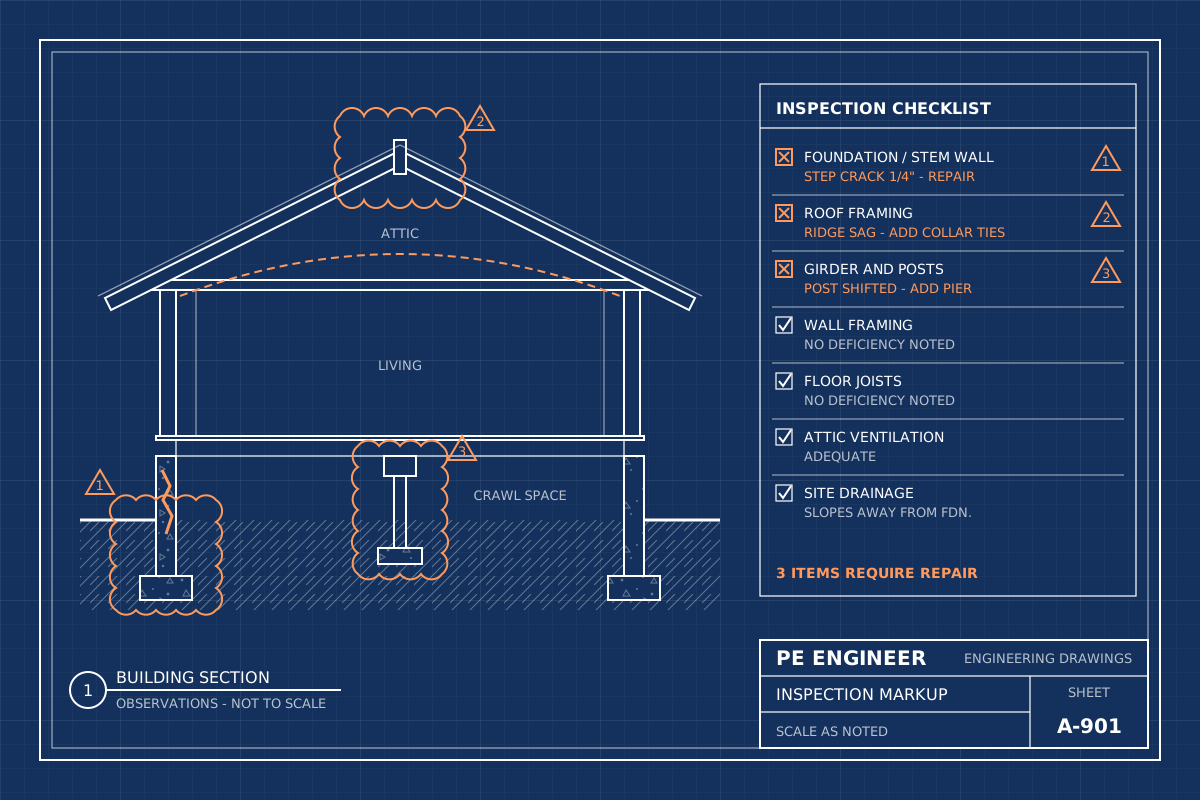 Structural Inspections & LettersSealed structural inspection reports and engineer letters for foundations, cracks, framing, damage, unpermitted work and existing buildings, written for the people who requested them.View service
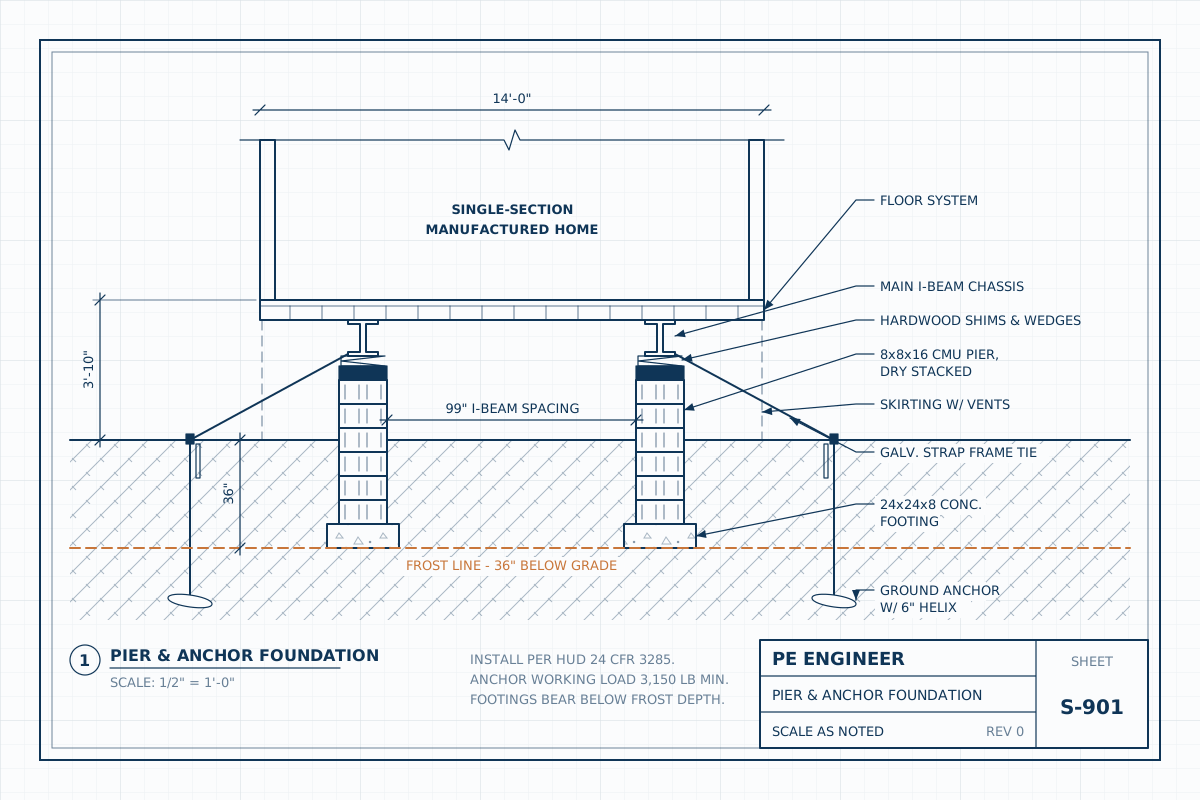 Manufactured & Modular Home FoundationsPermanent foundation design and certification letters for manufactured homes, plus pier, anchor and modular home foundations, plot plans and grading, PE stamped.View service
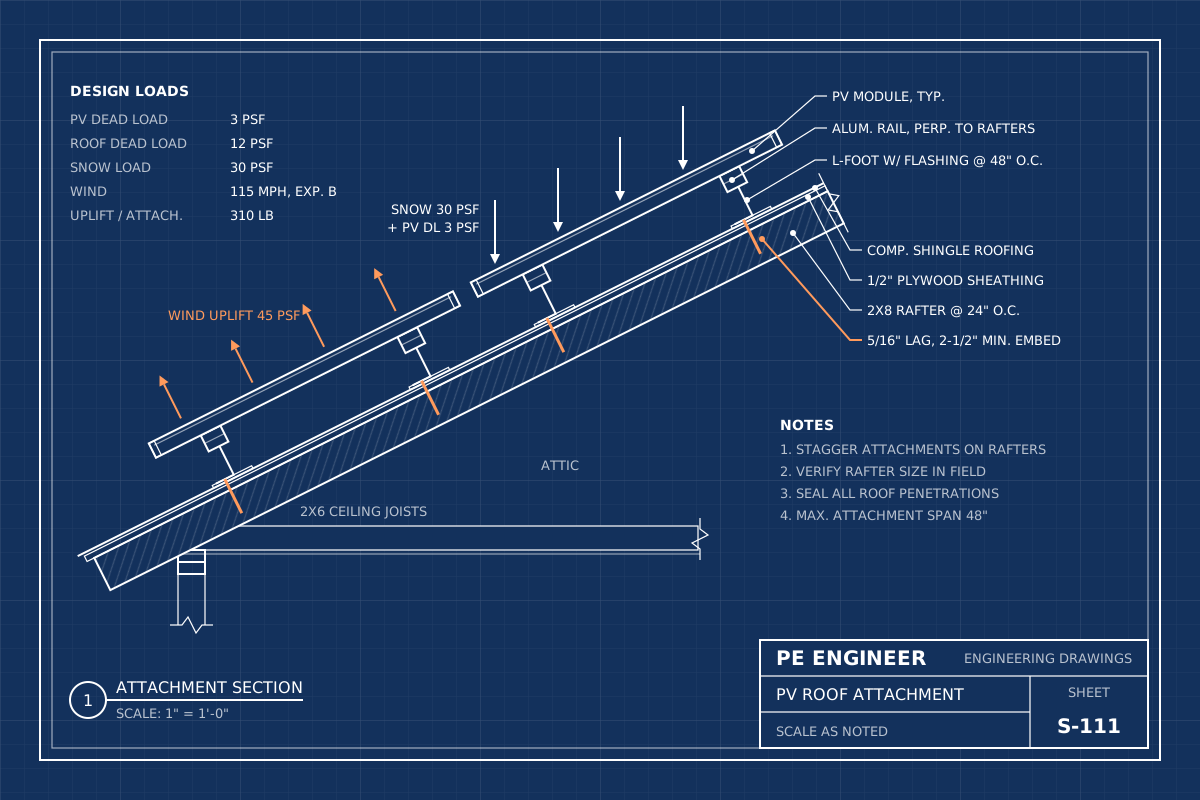 Solar Structural LettersStamped solar structural letters confirming the roof can carry the PV array, with attachment spacing, uplift checks and reinforcement details when needed.View service
Frequently asked questions
What is a structural engineer letter?
It is a sealed letter in which a licensed engineer gives a professional opinion about a specific structure or condition, such as a foundation, roof, beam or repair. It describes what was reviewed, the findings and conclusions, and any limits, with calculations attached when needed.
Does the engineer need to visit the property?
It depends on the letter. Beam letters and solar roof letters can often be prepared from photos, measurements and drawings. Foundation certifications and observation letters require a site observation, which we arrange through the certifying engineer or a local licensed engineer and include in the quote.
Can you certify my manufactured home foundation for an FHA loan?
Yes. A licensed engineer in your state observes the foundation, checks it against HUD’s Permanent Foundations Guide for Manufactured Housing and issues the certification if it complies. If it does not, we provide the repair details and certify after the work is done.
Can you write a letter saying my roof can support solar panels?
Yes, if the framing supports the conclusion. We check the rafters or trusses against the array weight and the site’s wind and snow loads. If reinforcement is needed, the letter specifies it so your installer can complete the work and keep the permit moving.
How quickly can I get an engineering letter?
Letters that can be prepared from photos and documents are typically delivered within a few business days of receiving complete information. Letters requiring a site observation depend on scheduling. Rush service is available when a closing, inspection or permit date is close.
What if the engineer cannot certify what I need?
Then the letter will not say it. Instead, you receive an explanation of what does not meet the requirement and what repairs, reinforcement or additional information would allow the engineer to certify it. Many issues can be fixed, and we provide the details to do so.